A stroke can create significant changes in a person’s ability to move, communicate, maintain balance, and perform daily activities independently. Recovery after a stroke requires patience, consistency, and the right rehabilitation approach to help the brain and body regain functional abilities.
A stroke rehabilitation physiotherapist plays an important role in helping patients improve movement control, muscle strength, coordination, and confidence during recovery. Early and structured rehabilitation can support better outcomes by focusing on the individual’s specific challenges.
Understanding Physical Challenges After Stroke
Stroke affects different people in different ways. Some individuals may experience mild weakness, while others may face major mobility limitations.
Common physical challenges after stroke include:
- Weakness on one side of the body
- Difficulty walking independently
- Balance problems
- Reduced coordination
- Muscle stiffness
- Difficulty performing daily movements
- Reduced confidence during physical activities
The rehabilitation process depends on the severity of the stroke, overall health condition, and the patient’s recovery goals.
Role of Physiotherapy After Stroke
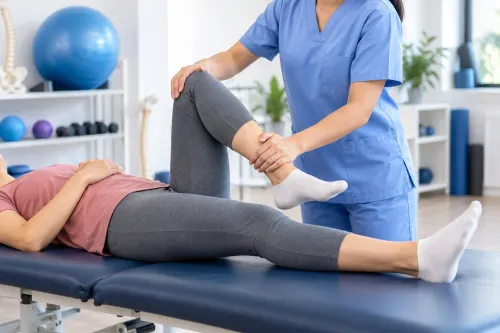
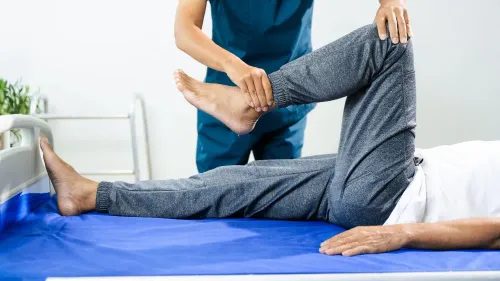
Physiotherapy focuses on helping patients regain functional movement through planned exercises and rehabilitation techniques.
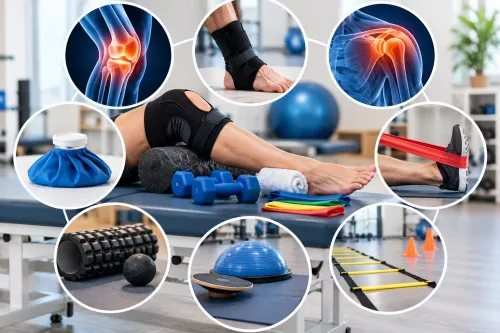
A stroke rehabilitation program may include:
Mobility Training
Patients learn safer ways to stand, walk, transfer, and move during daily activities.
Strength Improvement Exercises
Targeted exercises help rebuild muscle strength affected after stroke.
Balance Training
Balance exercises improve stability and reduce the risk of falls.
Coordination Activities
Controlled movements help improve body coordination and motor skills.
Functional Rehabilitation
Exercises are designed around practical activities needed for daily independence.
Importance of Early Rehabilitation Support
The recovery journey after stroke can be challenging for both patients and caregivers. Starting rehabilitation at the right time helps establish a structured pathway toward improving physical abilities.
A physiotherapist evaluates:
- Current movement ability
- Muscle strength
- Balance level
- Walking pattern
- Daily activity limitations
Based on this assessment, a suitable rehabilitation plan is created.
Supporting Independence After Stroke
The main goal of stroke rehabilitation is not only improving physical movement but also helping individuals become more independent in everyday life.
Physiotherapy may help patients:
- Move more safely
- Improve walking ability
- Perform daily activities with greater confidence
- Reduce dependence on caregivers
- Develop better body control
Progress may happen gradually, making regular practice and professional guidance important.
Home-Based Stroke Rehabilitation Support
Many stroke survivors require continued rehabilitation after leaving the hospital. Home-based physiotherapy can be beneficial for individuals who find travelling difficult or need assistance within their daily environment.
A physiotherapist can guide patients with:
- Safe home exercises
- Movement techniques
- Balance improvement activities
- Daily mobility practices
This approach allows rehabilitation to continue consistently.
Professional Stroke Rehabilitation Care
For families looking for rehabilitation support in Kharadi, Pune, Alam's Physio Care provides physiotherapy programs focused on improving mobility, functional movement, and recovery after neurological conditions.
The rehabilitation approach is designed around the patient’s current abilities, recovery goals, and progress throughout treatment.
When Stroke Rehabilitation Physiotherapy Is Needed
Professional support may be beneficial when a stroke survivor experiences:
- Difficulty walking
- Weakness affecting daily tasks
- Poor balance
- Reduced coordination
- Trouble regaining independence
Stroke recovery requires a combination of medical care, rehabilitation, and consistent effort. With structured physiotherapy support, many individuals can improve movement ability, confidence, and quality of life during their recovery journey.
Keywords