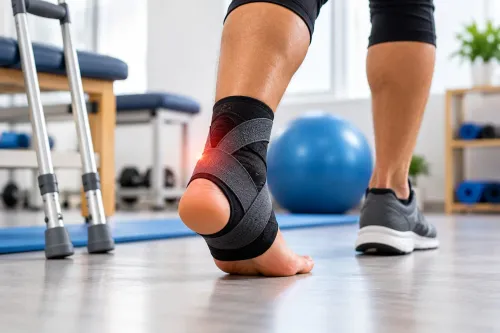
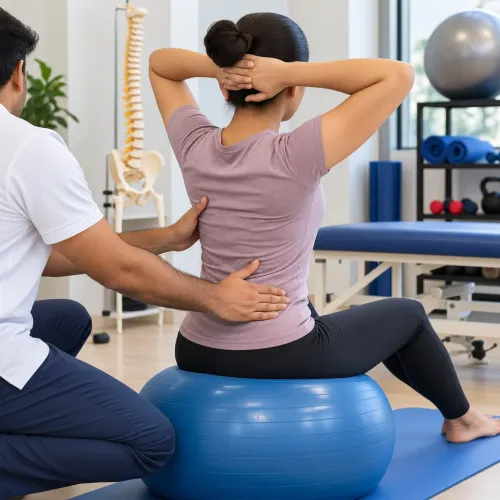
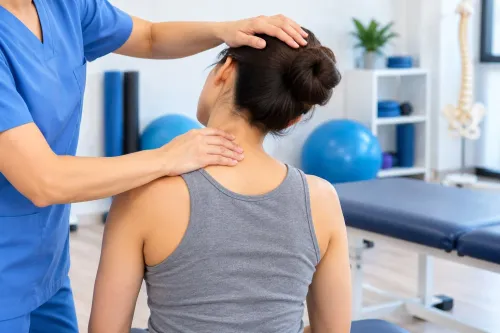
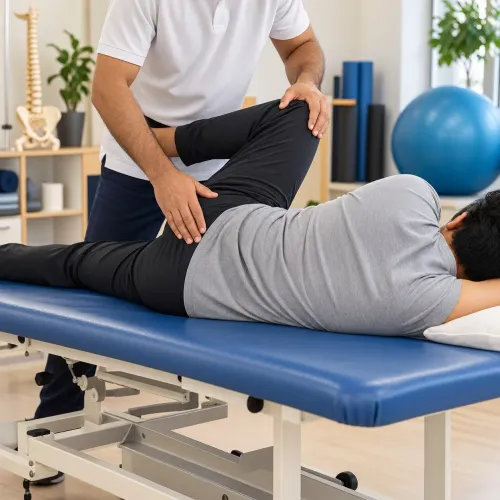
Living with continuous pain can affect almost every part of daily life. It may reduce mobility, disturb sleep, limit work activities, and make routine tasks more difficult. While pain medication can provide temporary comfort, long-term improvement often requires understanding the factors contributing to the problem.
Pain management physiotherapy focuses on improving physical function, reducing discomfort, and helping individuals develop better movement patterns through personalized rehabilitation.
Understanding Different Types of Pain
Pain can occur due to injuries, medical conditions, lifestyle habits, or repeated stress on the body.
Common conditions requiring pain management support include:
- Chronic back pain
- Neck pain
- Joint discomfort
- Muscle stiffness
- Sports-related injuries
- Post-surgical pain
- Movement-related discomfort
Each condition requires a different approach depending on the cause, severity, and impact on daily activities.
How Physiotherapy Helps Manage Pain
Physiotherapy focuses on improving the body’s ability to move effectively while reducing unnecessary strain.
Treatment may include:
Movement Assessment
The physiotherapist identifies movement limitations, muscle weakness, posture issues, and pain triggers.
Therapeutic Exercises
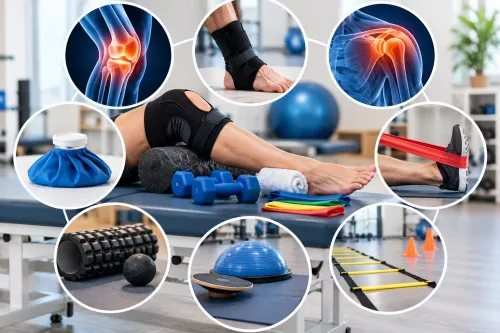
Specific exercises help improve strength, flexibility, and physical function.
Manual Therapy Techniques
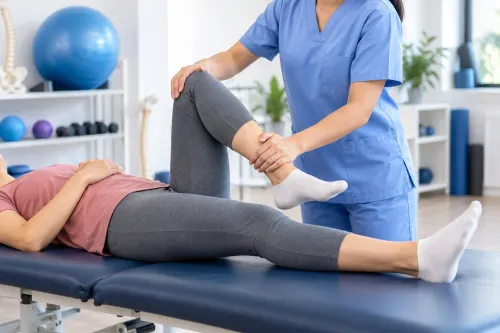
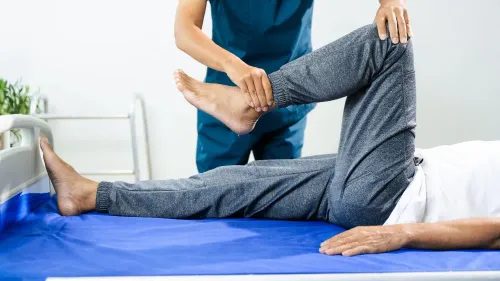
Hands-on approaches may support joint mobility and reduce stiffness.
Posture Improvement
Correcting alignment issues helps reduce repeated stress on muscles and joints.
Activity Guidance
Patients learn safer ways to perform daily movements.
Benefits of Structured Pain Rehabilitation
A personalized physiotherapy program can help individuals:
- Improve physical strength
- Increase mobility
- Manage recurring discomfort
- Return to daily activities
- Build confidence in movement
- Reduce dependence on temporary solutions
The focus is on improving function rather than only reducing symptoms.
Conditions That Benefit From Pain Management Care
Physiotherapy-based pain management can support individuals experiencing:
- Long-term spine-related discomfort
- Joint stiffness
- Recovery after injuries
- Muscle-related pain
- Mobility limitations
- Physical challenges caused by lifestyle habits
The rehabilitation process is adjusted according to progress and individual requirements.
Importance of Active Participation
Successful pain management often requires active involvement from the patient. Regular exercises, healthy movement habits, and following professional guidance contribute significantly to recovery.
Helpful practices include:
- Staying physically active within safe limits
- Following prescribed exercises
- Maintaining proper posture
- Avoiding movements that increase strain
- Monitoring changes in symptoms
Choosing Professional Pain Management Support
Finding the right physiotherapy approach is important for individuals dealing with persistent discomfort. A professional evaluation helps identify the actual cause and creates a practical recovery plan.
For people searching for physiotherapy support in Kharadi, Pune, Alam's Physio Care provides rehabilitation services focused on pain management, mobility improvement, orthopedic recovery, and functional wellness.
When to Seek Physiotherapy Guidance
A consultation may be helpful when:
- Pain continues for an extended period
- Daily activities become difficult
- Movement becomes restricted
- Previous methods provide only temporary relief
- Physical confidence decreases
Pain management physiotherapy helps individuals understand their condition, improve movement, and work toward better physical comfort through structured rehabilitation and professional support.
Keywords