Knee pain becomes particularly frustrating when ordinary tasks start feeling difficult. Climbing stairs, getting out of a chair, walking through a shopping area, exercising, or standing for long periods may become uncomfortable.
People considering Knee Pain Physiotherapy Kharadi often focus on reducing pain, but rehabilitation can also address the movements and physical capacities required for daily activity.
Start by Identifying the Difficult Movement
'Knee pain' describes a symptom, not one single problem.
One patient may experience discomfort primarily when climbing stairs. Another may notice symptoms after running, sitting with the knee bent, squatting, or walking for extended periods.
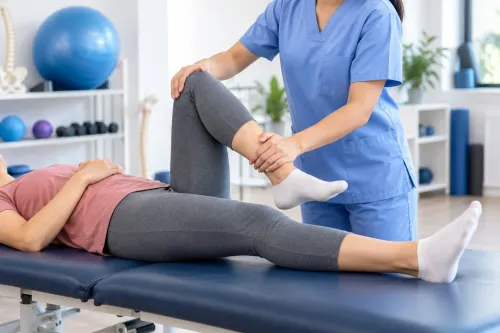
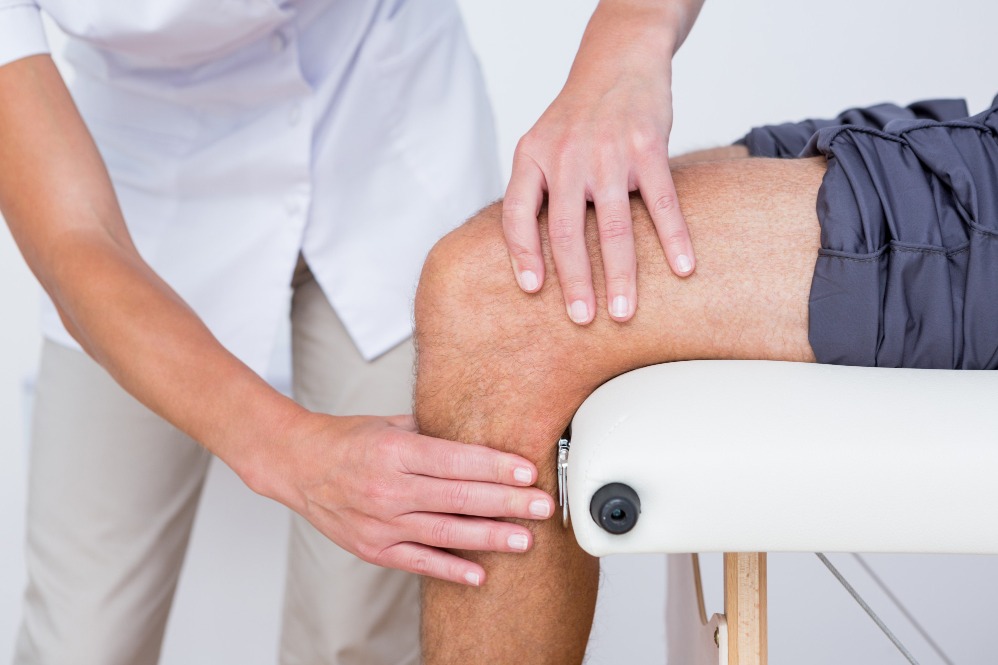
A physiotherapy assessment may consider:
- Knee range of movement
- Muscle strength
- Swelling where present
- Balance
- Walking pattern
- Hip and ankle function
- Relevant functional movements
- Previous injuries
- Activity or training changes
This information helps determine what rehabilitation should prioritize.
Why Strength Matters
The knee works as part of a larger movement system.
Muscles around the knee, hip, and lower leg contribute to controlling everyday activities. If physical capacity has reduced because of inactivity, injury, surgery, or another factor, appropriately progressed strengthening may form part of rehabilitation.
Exercises should be selected according to the patient's current ability rather than copied from someone else's programme.
Returning to Stairs
Stair climbing requires a combination of joint movement, muscle strength, balance, and confidence.
Rehabilitation may progress gradually.
A patient could begin with exercises that build basic lower-limb control before moving toward step-based tasks. As capacity improves, the height, repetitions, resistance, or complexity may be adjusted.
Progression should reflect symptom response and individual goals.
What About Walking?
Walking is often one of the first activities patients want to restore.
Instead of thinking only in terms of 'walk' or 'do not walk,' it may be helpful to consider dosage.
How far can you currently walk comfortably? What happens afterward? Does the discomfort settle quickly, or remain aggravated for hours?
These details can help guide gradual progression.
Common Mistakes During Knee Rehabilitation
Patients sometimes stop all activity because they are worried that any discomfort means further damage. Others do the opposite and repeatedly push through substantial symptoms.
Neither extreme is automatically appropriate.
Another common mistake is progressing exercises too quickly because an exercise felt easy once. Rehabilitation should consider how the knee responds during and after activity.
When Further Assessment Is Important
Knee symptoms following significant trauma, substantial swelling, inability to bear weight, obvious deformity, locking, fever with a hot swollen joint, or other concerning features require appropriate medical evaluation.
Persistent or recurring symptoms also deserve assessment rather than indefinite self-treatment.
Local Physiotherapy Support
Kharadi residents include office professionals, recreational runners, gym users, seniors, and people returning to activity following surgery. Each group may require a different rehabilitation pathway.
Alam's Physio Care provides physiotherapy assessment and rehabilitation in Kharadi, Pune, with programmes developed around individual movement limitations and functional goals.
For many patients, meaningful progress is not defined only by a lower pain score. Being able to climb stairs, walk comfortably, return to work, exercise confidently, or manage everyday tasks can provide much more practical measures of recovery.
Keywords