Sciatica pain can cause discomfort that travels from the lower back through the hips, buttocks, and legs. Many individuals experience sharp pain, tingling, numbness, or weakness that affects walking, sitting, sleeping, and daily activities.
Effective sciatica pain relief requires understanding the reason behind nerve irritation rather than focusing only on temporary symptom control. Physiotherapy helps improve movement patterns, reduce strain on affected areas, and strengthen muscles that support the spine.
Understanding Sciatica Symptoms
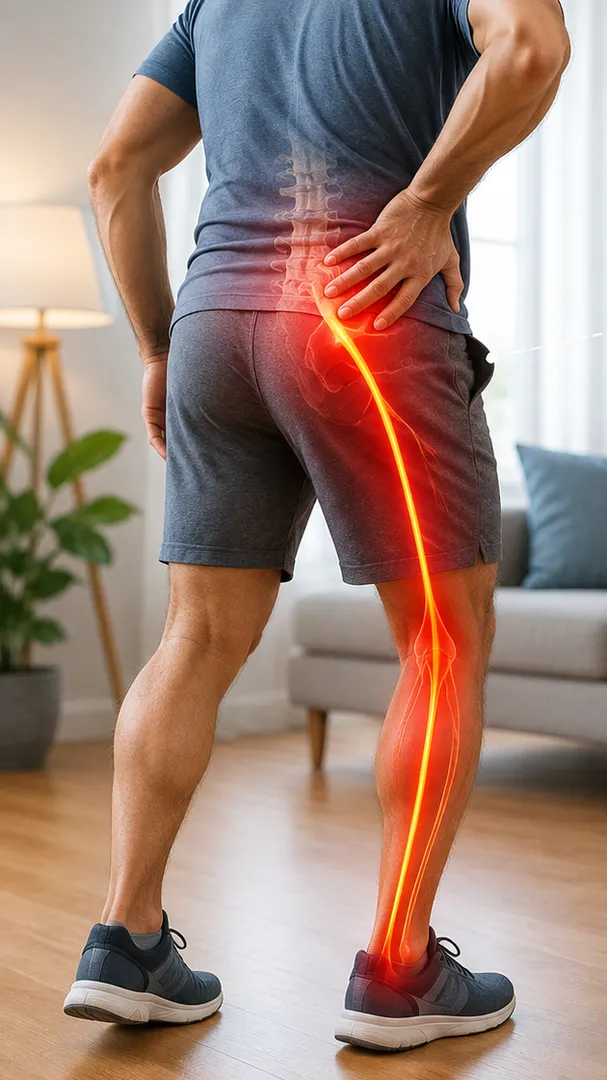
The sciatic nerve is one of the longest nerves in the human body. When this nerve becomes irritated or compressed, symptoms may appear along its pathway.
Common signs include:
- Lower back discomfort
- Pain spreading toward the leg
- Tingling sensations
- Numbness in affected areas
- Muscle weakness
- Difficulty sitting for long periods
The severity of symptoms can vary depending on the underlying cause.
Common Causes of Sciatica
Sciatica may develop due to different spinal and lifestyle-related factors, including:
- Disc-related problems
- Poor posture habits
- Muscle tightness
- Spinal changes due to age
- Improper lifting techniques
- Reduced core strength
A proper assessment helps determine what factors are contributing to nerve irritation.
Role of Physiotherapy in Sciatica Management
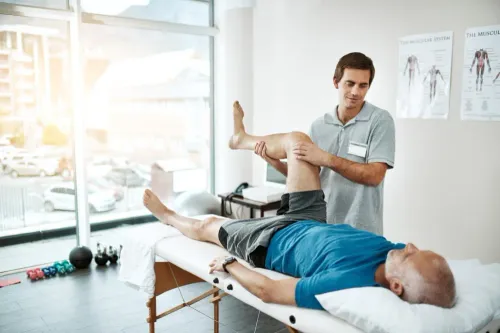
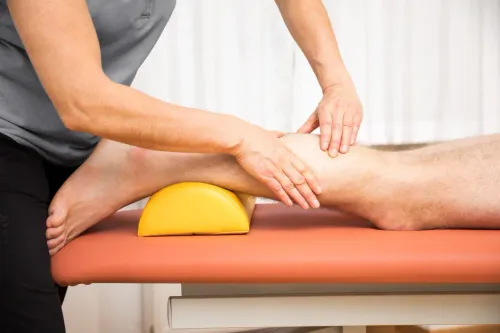
Physiotherapy focuses on improving spinal mobility, reducing unnecessary pressure, and restoring functional movement.
Treatment may include:
Stretching Exercises
Specific stretches help reduce muscle tightness that may contribute to discomfort.
Strength Training
Improving core and supporting muscle strength helps create better stability around the spine.
Posture Improvement
Correct sitting and standing techniques reduce additional stress on the lower back.
Movement Education
Patients learn safer ways to perform daily activities such as bending, lifting, and walking.
Mobility Exercises
Controlled movements help improve flexibility and reduce stiffness.
Why Early Rehabilitation Matters
Ignoring recurring sciatic symptoms may affect activity levels and overall quality of life. Many people reduce physical movement because they fear increasing pain, which can sometimes lead to further weakness.
A physiotherapist helps create a gradual recovery plan that encourages safe movement while improving strength and flexibility.
Lifestyle Changes That Support Recovery
Along with physiotherapy, certain habits may support better spinal health:
- Maintain correct sitting posture
- Avoid prolonged inactivity
- Use safe lifting techniques
- Follow recommended exercises regularly
- Maintain healthy movement habits
Consistency plays an important role in improving mobility and reducing repeated discomfort.
Professional Sciatica Care
People experiencing persistent nerve-related pain can benefit from expert evaluation and structured rehabilitation.
In Kharadi, Pune, Alam's Physio Care supports individuals dealing with back-related conditions, mobility limitations, and pain concerns through personalised physiotherapy programs.
The focus remains on improving movement ability, strengthening the body, and helping patients return to daily activities with better confidence.
When to Seek Physiotherapy Support
A physiotherapy consultation may be helpful when:
- Leg pain continues along with back discomfort
- Sitting becomes difficult
- Movement feels restricted
- Symptoms repeatedly return
- Daily activities become challenging
With appropriate assessment and guided rehabilitation, physiotherapy can support better mobility, improved strength, and long-term management of sciatica-related problems.
Keywords