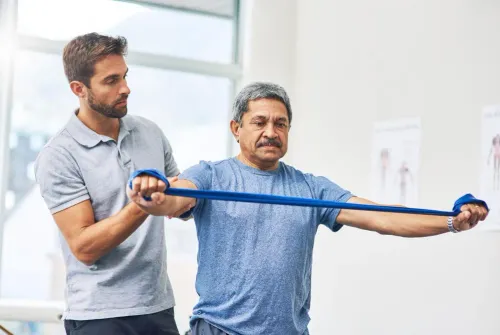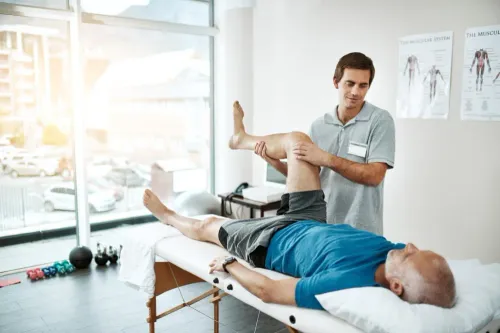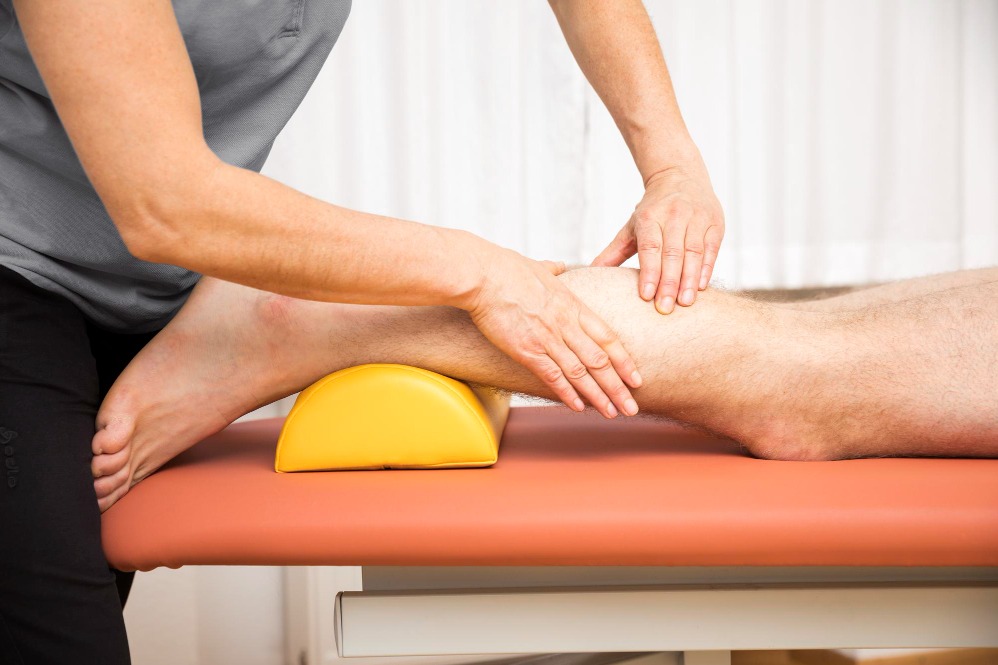
Feeling better does not always mean an injured area is ready for full sporting demand.
A runner may walk comfortably but still struggle with repeated impact. A badminton player may have normal shoulder movement but lack the strength or control required for repeated overhead shots. A football player may feel fine during jogging but develop symptoms during cutting or sprinting.
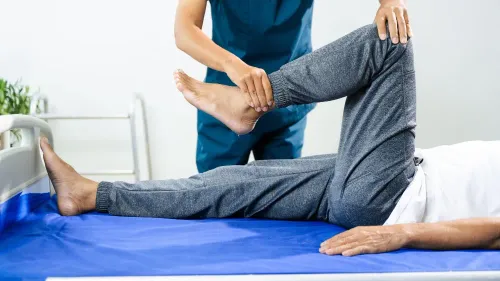
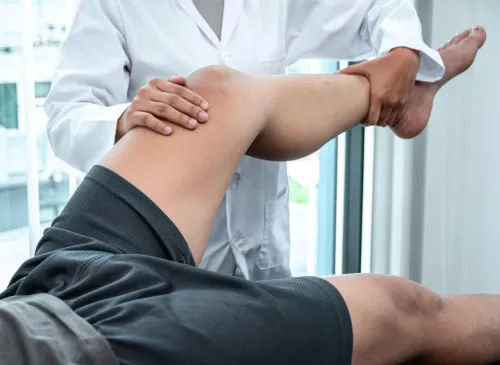
This is where assessment by a Sports Injury Physiotherapist Kharadi can help athletes make more informed return-to-sport decisions.
Pain Is Only One Readiness Indicator
Pain is important, but it should not always be the only measure used.
Depending on the injury and sport, return-to-sport decisions may consider:
- Range of movement
- Strength
- Balance
- Control
- Endurance
- Confidence
- Sport-specific movement
- Ability to tolerate repeated loading
- Response after training
The relevant criteria vary significantly between injuries.
Understand the Demands of Your Sport
Rehabilitation should eventually prepare the body for what the sport actually requires.
Running demands repeated lower-limb loading. Football adds acceleration, deceleration, cutting, and kicking. Racquet sports require rapid direction changes and repetitive upper-limb movement.
A generic strengthening programme may provide a foundation, but later rehabilitation often needs to become increasingly specific.
Avoid the Weekend-Warrior Jump
Kharadi and surrounding Pune areas have a growing population of professionals who participate in weekend cricket, football, running, badminton, cycling, and gym training.
A common pattern is limited activity during the working week followed by a sudden high-volume sporting session.
After an injury, jumping directly from rehabilitation exercises to a full match or long run can create a large increase in physical demand.
A graded return can be more manageable.
What Can Progression Look Like?
Progression depends on the injury, but it may move through stages such as:
- Restoring comfortable movement
- Developing basic strength
- Improving balance and control
- Building endurance
- Introducing sport-related movements
- Increasing speed or resistance
- Practising higher-demand tasks
- Gradually returning to training and competition
These stages are not universal rules. They illustrate why returning to sport is usually more complex than waiting until pain disappears.
Watch the Response After Training
How an injured area feels during activity is only part of the picture.
Symptoms later that evening or the following day can provide useful information about how well a particular workload was tolerated.
Tracking training volume, intensity, and symptom response can help make progression more systematic.
When Assessment Is Particularly Useful
Consider physiotherapy evaluation when an injury repeatedly returns, causes swelling or instability, restricts movement, affects sporting performance, or prevents progression despite reducing training.
Acute injuries involving substantial trauma, deformity, inability to bear weight, or other concerning symptoms may require medical investigation.
At Alam's Physio Care, sports rehabilitation in Kharadi can be structured around the individual's injury, current capacity, and sporting goals.
For athletes and recreational players across Pune, Maharashtra, successful return to sport is not simply about getting back as quickly as possible. It is about rebuilding enough movement, strength, control, and workload tolerance for the demands waiting when you return.
Keywords