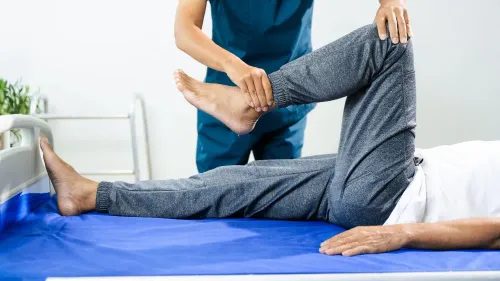
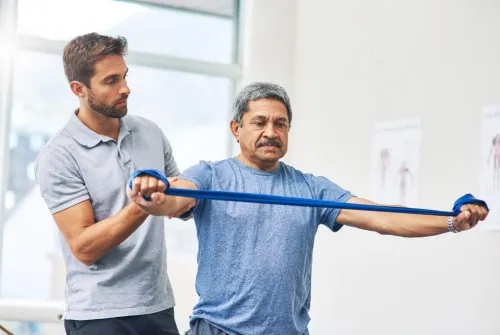
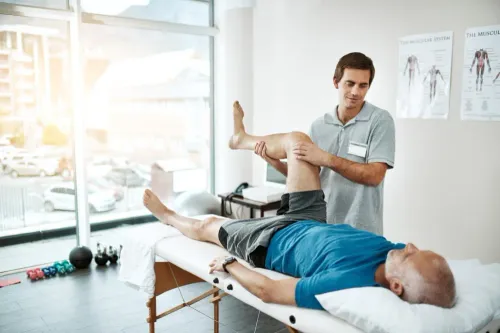
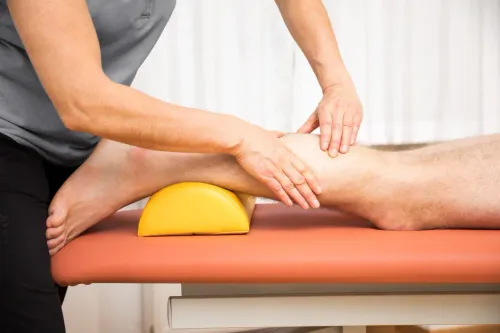
Travelling to a clinic is not practical for every physiotherapy patient. After surgery, during periods of limited mobility, or when caring for an elderly family member, even a short journey can become difficult.
A Home Visit Physiotherapist in Kharadi can make rehabilitation more accessible for selected patients by bringing assessment and appropriate exercises into the patient's everyday environment.
Who May Benefit From Home Physiotherapy?
Home visits can be particularly useful when mobility or transportation creates a genuine barrier to attending a clinic.
Examples may include:
- Seniors with reduced mobility
- Patients recovering after certain surgeries
- People who have difficulty walking independently
- Individuals undergoing neurological rehabilitation
- Patients who require gait or balance training
- People temporarily restricted from travelling
- Family members who need caregiver guidance
Home treatment is not automatically appropriate for every condition. The decision depends on the patient's clinical needs and the type of rehabilitation required.
The Home Environment Provides Useful Information
One advantage of home-based physiotherapy is that rehabilitation takes place where many everyday challenges actually occur.
A patient may have difficulty getting out of bed, standing from a particular chair, entering the bathroom, walking through a narrow passage, or using stairs.
Seeing these activities directly can help a physiotherapist understand practical barriers that may not be obvious during a clinic appointment.
Exercises can then be connected to meaningful daily activities.
What Can a Home Session Include?
The exact session depends on the patient's condition.
Home rehabilitation may involve:
- Mobility exercises
- Strength training
- Walking practice
- Balance exercises
- Transfer practice
- Functional movement training
- Post-operative exercises
- Neurological rehabilitation activities
- Education for family members or caregivers
The physiotherapist may also recommend simple modifications to how particular movements are performed at home.
Preparing for the Visit
Patients and caregivers can make a home session more productive by preparing a suitable space.
Keep relevant medical reports available and make a note of current medicines, surgery dates, precautions, or instructions provided by the treating doctor where applicable.
The patient should ideally wear comfortable clothing suitable for movement.
It can also help to identify specific difficulties before the visit. Instead of simply reporting 'walking is difficult,' explain whether the challenge occurs when getting up, turning, climbing stairs, walking outdoors, or maintaining balance.
Home Rehabilitation Still Requires Active Participation
Receiving treatment at home does not mean rehabilitation becomes passive.
Patients may still need to perform exercises independently between sessions. Family members may sometimes be shown safe ways to assist with exercises or mobility when appropriate.
Consistency remains important because physical improvement often develops through repeated practice rather than one isolated session.
When Clinic-Based Care May Be More Suitable
Some rehabilitation needs are better managed in a clinic because specific equipment, facilities, or forms of assessment may be required.
In other cases, treatment can begin at home and later transition to clinic-based rehabilitation as mobility improves.
The most suitable setting should therefore be determined by the patient's condition rather than convenience alone.
For families in Kharadi, Pune, Maharashtra, Alam's Physio Care offers physiotherapy support for patients with different rehabilitation requirements, including situations where home-based care may be considered.
Home physiotherapy can be particularly valuable when it removes a genuine obstacle to rehabilitation. More importantly, it allows exercises and functional training to be connected directly with the patient's real living environment and everyday mobility goals.
Keywords